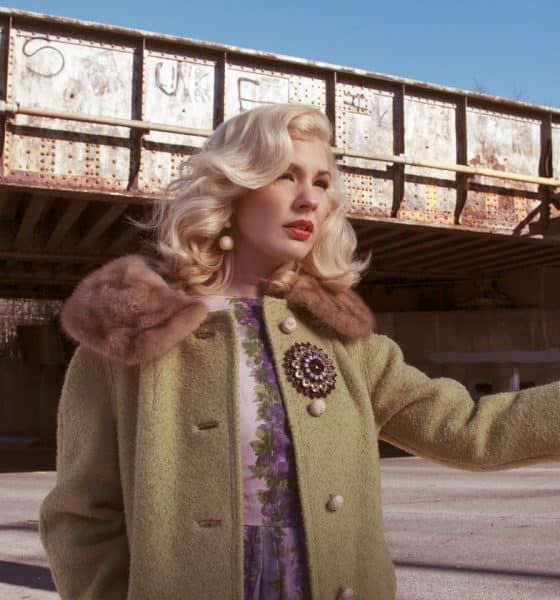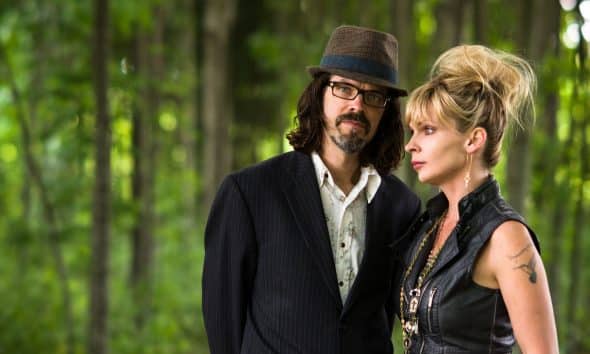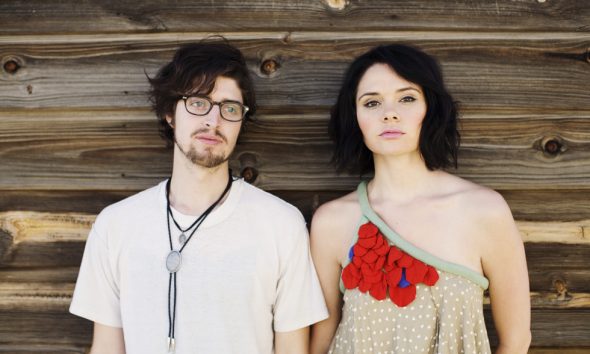
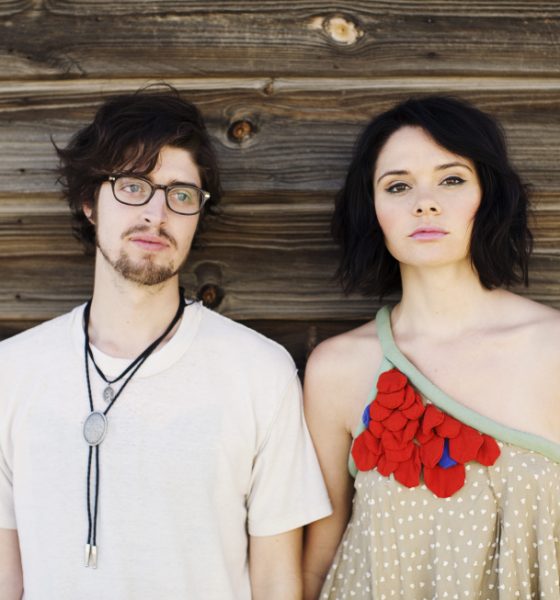
Like Honeyhoney itself, First Rodeo is hard to classify. It simmers then boils; it whispers then howls. Throughout, Santo delivers stunning performances that will make you wonder why the hell you haven't heard of her yet.
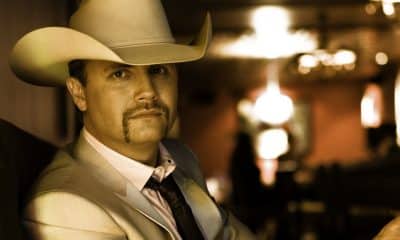

He’s one of Nashville’s most gifted songwriters, equally adept at penning heart tuggers and barn burners.


"We’re together, like two names carved in an oak tree. And we want to be together for a long time."
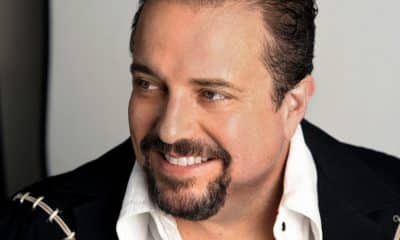

"Modern country music has become like McDonald’s. Yeah, over a billion served. But is it the best cheeseburger?"
Last week, I argued for a reexamination of what we typically call “country” music. This week, however, seems as good a time as any to take a look at some of the year’s best alt-country offerings. It’s been a good year for alternative country music. It’s an unassuming genre, but that doesn’t mean its participants resist experimentation. On the contrary, […]


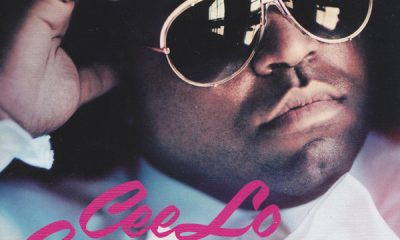

As a founder of groundbreaking southern rap group the Goodie Mob, a sometimes solo artist and half of the singer/DJ duo Gnarls Barkley (of “Crazy” fame), Cee-Lo Green...
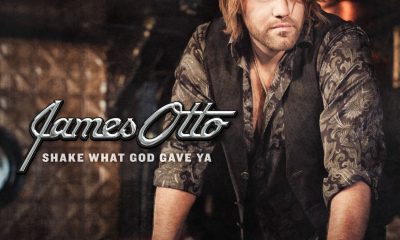

Standing at a towering six feet and five inches, Washington native James Otto scored a hit back in 2008 that has stood taller than the largest...
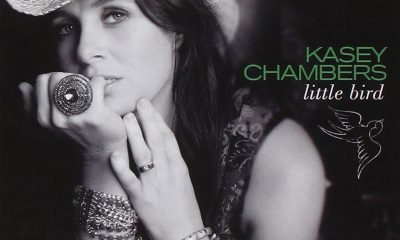

Australian singer-songwriter Kasey Chambers has released five solo albums to date. The newest, Little Bird, might be the best one yet. It’s a nearly flawless collection of...


t’s clear that, for whatever reason, Avey Tare (née David Portner) has a thing for alligators. Alligators are everywhere—on his website, on the cover of his new...
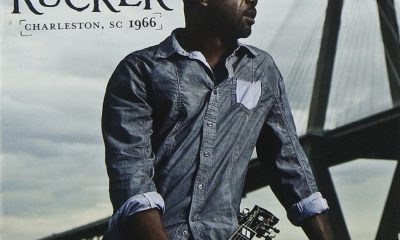

On the closing track of his sophomore country album, Darius Rucker proclaims “Sometimes I want to be George Jones, sometimes Charley Pride.” For better or for...
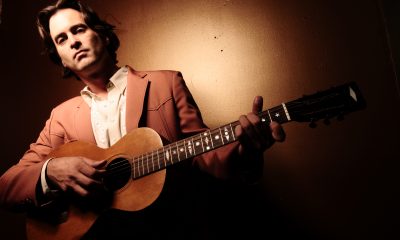

Next time you’re at the record store, flip through a stack of country LPs. Chances are you’ll see one name on at least half of them: Lloyd...
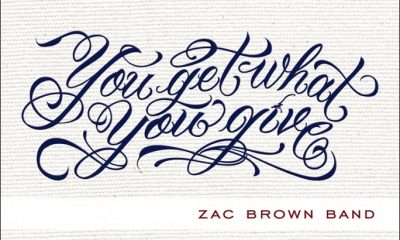

The Zac Brown Band has had an extraordinary couple of years. After spending much of the previous decade touring the southeast in an airport shuttle bus...
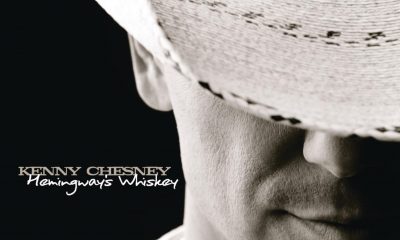

It’s ironic that Kenny Chesney’s most common lyrical theme over the last decade is escapism, when that’s exactly that theme which has him trapped inside his...


Why does Jesca Hoop sing with a Scottish lilt on the opening track of her latest LP, Hunting My Dress? Because she feels like it. The joy of...
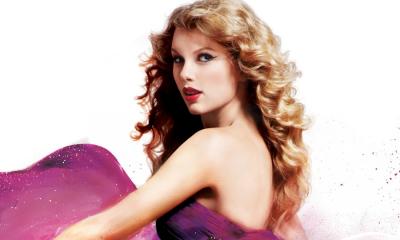

At the sweet age of 16, Taylor Swift came onto country charts with her love-bracelet clad wrists swinging. Swift’s first two albums have together sold more...